Custom Nalgene bottle use in long workday environments
Do water bottles help productivity?
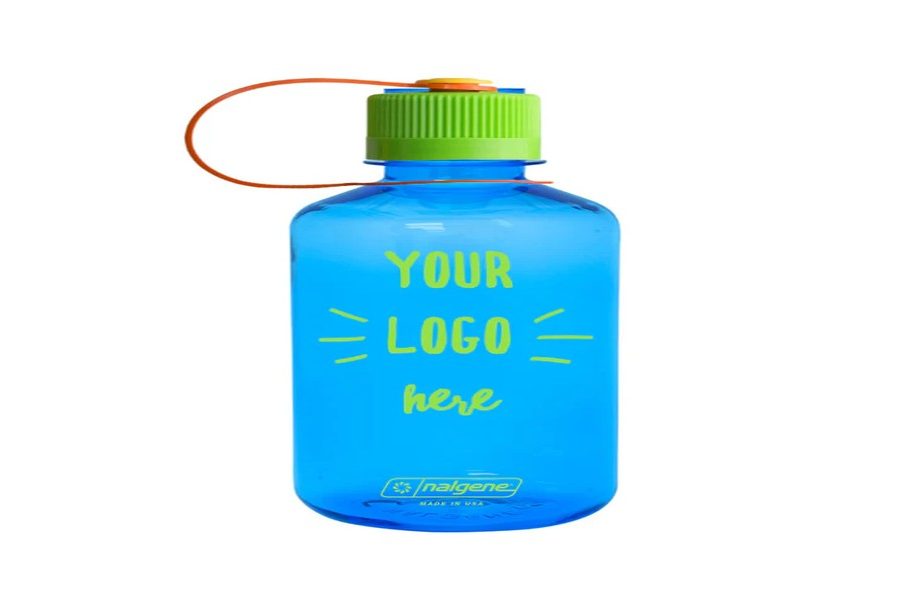
Long workdays create hydration gaps that build quietly rather than signal thirst. Cognitive function and concentration each drop under mild fluid deficit before the body registers a clear need to drink. A vessel sitting within reach, clearly marked and reliably sealed, removes the gap between needing water and accessing it without breaking workflow. With Nalgene Water Bottles, you can reduce refill frequency during concentrated work blocks, keep them durable for years, and track passive intake without a separate tool, thanks to their format built for sustained daily use. The workday creates consistent conditions where intake falls short because access feels inconvenient or the habit lacks structural support. The vessel handles that passively. No active effort is required to maintain the habit once the bottle is positioned correctly within the working environment.
Are large water bottles better for work?
Larger containers reduce how often a person leaves the workspace to refill across a standard eight to ten-hour day. Each trip is a minor interruption individually, but across a full workday, those interruptions fragment concentration in ways that compound gradually over hours. A larger vessel filled at the beginning covers several hours before requiring attention. That uninterrupted window suits deep focus work, back-to-back meetings, or physically active roles where leaving a station mid-task is impractical. Desk space and carry weight are the only trade-offs, both manageable in fixed workspace environments where the bottle stays stationary throughout the day rather than travelling between locations.
Desk placement and visibility
The bottle’s position on a desk determines how frequently it gets used. A vessel within the natural visual field during normal working posture receives considerably more interaction than one pushed behind a monitor or to a desk corner. Proximity drives frequency more than intention does. A bottle at arm’s reach gets picked up during natural pauses between tasks, during loading screens, or at the end of a call. One requiring repositioning to reach introduces just enough friction to reduce passive drinking moments across the day. A single placement adjustment produces a measurable intake improvement without any additional habit or reminder needed to sustain it across the working week.
Workday material performance
A bottle used across eight to ten hours daily faces conditions that differ from outdoor use but are no less demanding on construction quality over time. Repeated open-close cycles across a full workday test lid thread integrity more consistently than occasional outdoor use does. When the lid loosens over time, seal confidence decreases when the bottle sits beside a laptop or document. Construction that resists surface scratching matters on hard work surfaces where the bottle is set down repeatedly without careful placement. A stable flat base prevents the rocking that causes spills during distracted work periods when attention is focused elsewhere on an active task.
Refill timing at work
Workday refill timing works best when connected to transitions already in the schedule rather than requiring separate reminders or new interruptions.
- A refill aligned with a morning break covers the first half of the workday before concentration peaks.
- A second refill at the lunch transition maintains intake through the afternoon without a dedicated stop outside normal schedule flow.
- A final refill during a late afternoon pause closes any intake gap before the day ends.
Three refill points, each tied to an existing schedule transition, cover a full working day without adding interruptions or pulling active attention away from the primary task at hand during any concentrated period of the working day.
Leave a reply







-
Essential Safety and Quality Checks for Steel Pipe Use in Construction Projects
A single weak link in a pipeline can jeopardize an entire construction ... -
-
-
-