Comparing Photo and Video Production Setups for a Growing Brand
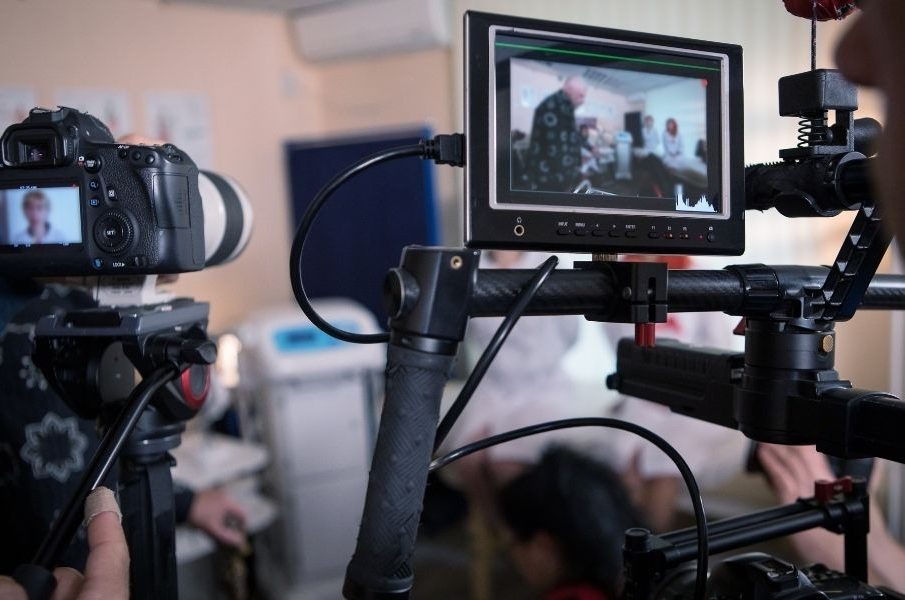
The buyer’s problem in a production setup comparison is usually not a lack of visual options. It is deciding which process can turn separate vendors, one hybrid creator, or a coordinated team into a setup that can scale without chaos without losing time to growth makes asset needs harder to manage.
The business reason behind a production setup comparison
The planning conversation should include constraints that are easy to overlook, especially who is available, where the work happens, and how a setup that can scale without chaos will be judged.
This decision is less about naming a winner and more about finding the working model that creates the least friction around a production setup comparison.
The planning detail people underestimate in a production setup comparison
This is the place to ask for specifics. How will the provider direct people, protect timing, or adjust the capture plan when growth makes asset needs harder to manage?
How separate vendors proves the plan worked
The right option is the one whose workflow matches the buyer’s actual approval path.
How separate vendors should feel in use
The cleanest scope usually names fewer promises and explains them better. For a production setup comparison, vague abundance is less useful than an asset set the team can actually publish.
A practical way to ground the conversation is to review Indigo Visual’s planning notes for photo video production setup comparisons and then test any provider against the same usage and scheduling needs.
Do not compare providers only by day rate. Compare the amount of uncertainty each one removes from a production setup comparison.
Good delivery turns a production setup comparison into a working asset library. It should reduce the number of small questions the team has to answer before publishing.
If the brief expands beyond separate vendors, it is also worth reviewing this related Indigo Visual guide to event photography for a production setup comparison so the second use case is not bolted on at the end.
A growing brand needs a production setup that can absorb complexity without making every shoot feel like a new invention.

Leave a reply









-
How to Avoid Flat Business Photos on a Busy Workday
The strongest version of a working-day company shoot does not begin with ... -
-
-
-