Common Maintenance Mistakes That Reduce Panel Efficiency
Key Takeaways
- Dust and dirt build-up can block sunlight and slowly reduce panel output over time.
- Rough cleaning methods can damage surfaces and affect how panels receive light.
- Missed checks on wiring and parts can lead to uneven energy flow and output drops.
- Tracking output helps catch issues early and keeps solar panel maintenance cost lower.
Introduction
Energy output can change over time after panels are installed. Small habits add up, and they show in how much power your system produces each day. Skipped cleaning, missed checks, or unnoticed changes around the panels can all play a part in reducing efficiency. Anyone using solar panels for homes will notice that even small gaps in care can affect performance. Knowing what usually goes wrong helps you keep things running well without overthinking it.
Ignoring Surface Cleaning
Dust and Debris Build-Up
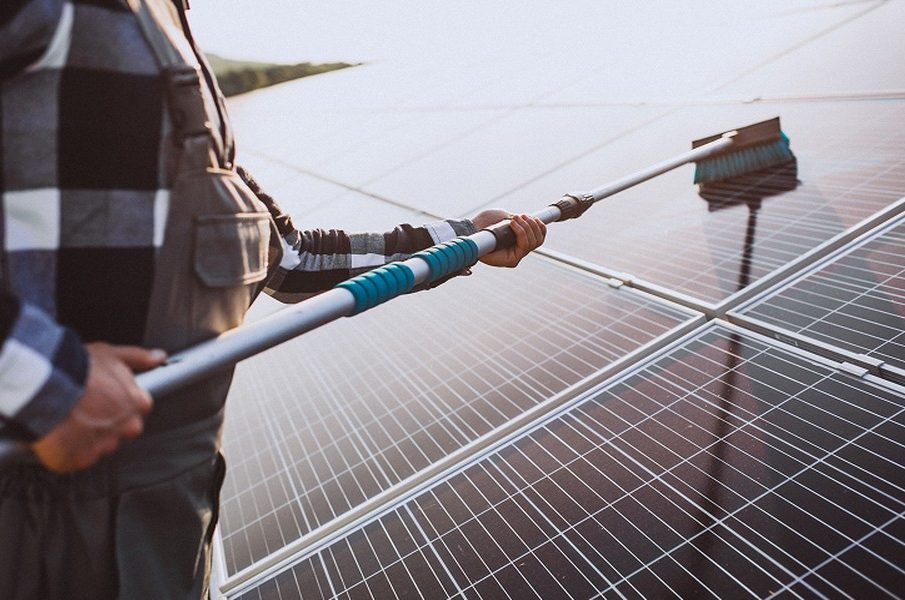
Dust, leaves, and bird droppings can settle on the panel surface and block sunlight from reaching the cells. Even a thin layer reduces how much light gets through, which lowers energy output over time. Leaving panels uncleaned for long periods can increase solar panel maintenance costs as performance drops without any visible damage.
Cleaning Too Aggressively
Using rough tools or strong cleaning products can leave scratches or marks on the panel surface. These small surface changes affect how light passes through the glass and reduce efficiency. For solar panels for homes, gentle cleaning methods keep light intake clear without causing damage.
Overlooking Inspection Checks
Loose Connections and Wiring
Wires and connections can shift over time due to weather and regular use, even when everything looks fine from the outside. A loose connection can interrupt energy flow and lead to uneven output during the day. Regular checks help catch these issues early and keep solar panel maintenance costs from rising.
Delayed Repairs
Cracks or minor wiring faults may not show clear signs at first, yet they can slowly reduce output if left unattended. Over time, these small issues can affect overall system performance. Fixing them early helps systems continue producing energy for solar panels for homes without unexpected drops.
Changes Around the Panels
Shade That Was Not There Before
Trees can grow taller, nearby structures can change, and new objects can cast shadows across panels at different times of the day. Even partial shading affects how much sunlight reaches the surface and reduces energy production. Keeping track of these changes helps avoid losses that later increase solar panel maintenance costs.
Panel Position Over Time
Mounts can shift slightly after long use due to weather and natural movement. Even a small change in angle affects how panels receive sunlight from morning to evening. For solar panels for homes, checking alignment helps panels continue receiving steady exposure without affecting output.
Skipping Performance Tracking
Ignoring Output Patterns
Energy output trends can reveal problems before they become obvious. A gradual drop across several days may point to dirt build-up, wiring issues, or shading changes. Tracking these patterns helps manage solar panel maintenance costs by identifying problems early.
Relying Only on Appearance
Panels can appear clean and undamaged while performance drops in the background. Visual checks do not reflect how well the system is actually working. Using simple monitoring tools helps solar panels for homes maintain consistent output without relying only on how they look.
Conclusion
Maintenance plays a clear role in how solar panels perform over time. Regular cleaning keeps surfaces clear, while basic checks help catch loose parts or early signs of wear. Paying attention to changes around the panels also helps keep light exposure consistent.
Keeping up with these small tasks helps avoid drops in output and keeps your system running as expected without extra hassle.
Contact LHN Energy today to keep your solar setup working well and producing energy without interruptions.
Leave a reply







-
How to Choose the Right Overhead Crane Festoon System for Your Facility
Key Takeaways Choose C-tracks for debris protection and I-beams for heavy-duty load ... -
-
-
-