Safety Boots in Singapore: Choosing Between Heavy-Duty and Lightweight Safety Shoes
Key Highlights
- Heavy-duty boots offer superior protection for high-risk environments involving heavy machinery or falling objects.
- Lightweight safety shoes utilise modern composite materials to reduce fatigue for workers who are constantly on the move.
- Breathability remains a critical factor when selecting safety boots in Singapore due to the intense local humidity.
- Slip resistance and mid-sole protection are non-negotiable features regardless of the weight of the footwear.
Introduction
Going onto a construction site or a logistics floor in Jurong requires more than just a hard hat and a high-vis vest because your feet are essentially the foundation of your entire workday. You might find yourself staring at a wall of protective footwear, wondering if you should prioritise the tank-like durability of traditional steel toes or the nimble feel of modern trainers. Finding the right safety boots in Singapore is a balancing act between adhering to stringent MOM safety standards and surviving a ten-hour shift without developing debilitating blisters.
The industry has evolved significantly from the days of clunky, sweat-inducing leather boots that felt like wearing lead weights on your ankles. Today, the market provides a spectrum of choices that cater to specific job scopes, ensuring that a site engineer and a warehouse packer don’t have to suffer in the same rigid footwear.
1. When Heavy-Duty Protection is Non-Negotiable
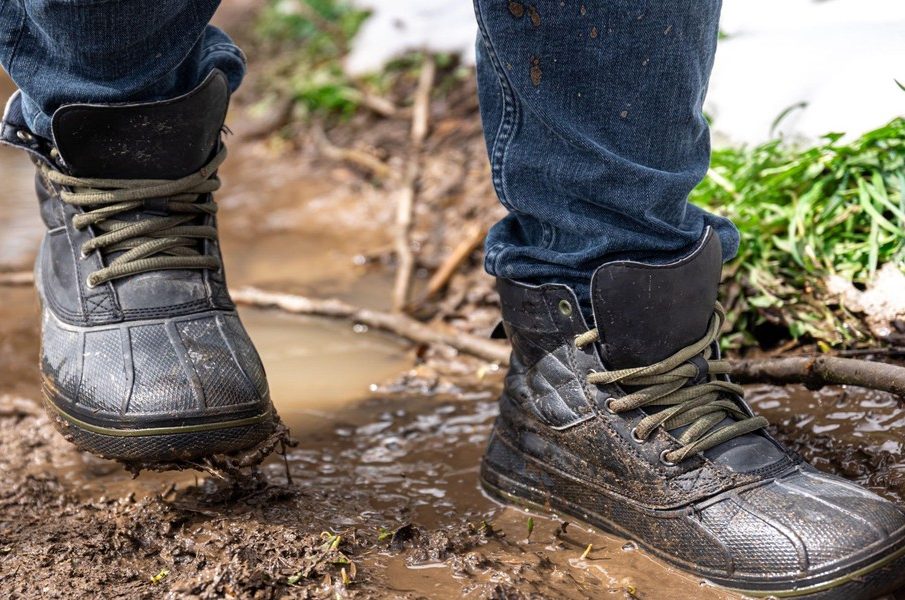
For those working in heavy industries like oil and gas or large-scale civil engineering, the sheer mass of the materials involved dictates a need for maximum structural integrity. Traditional safety boots in Singapore often feature steel toe caps and stainless steel mid-soles designed to stop a stray nail or a dropped scaffolding pipe from ending your career prematurely. These boots provide excellent ankle support and are usually crafted from high-grade leather that acts as a secondary skin against chemical splashes or abrasive surfaces.
While they might feel substantial at first, the peace of mind they offer when navigating a high-risk environment is well worth the extra few hundred grams of weight. You want a boot that feels like a fortress for your feet when you are operating in the middle of a bustling shipyard or a deep excavation site.
2. The Rise of Lightweight Safety Shoes for Agility
Innovation in materials science has given birth to a new generation of lightweight safety shoes that swap out heavy metals for carbon fibre, glass fibre, or high-density plastics. These composite toe caps are just as strong as their steel counterparts but significantly lighten the load, which is a total game-changer for supervisors who clock twenty thousand steps a day.
If your role involves frequent transitions between the office and the site or navigating narrow mezzanine floors in a fulfilment centre, the reduced weight prevents the “heavy leg” syndrome that sets in by mid-afternoon. These shoes often mimic the aesthetic of athletic sneakers, making them a popular choice for younger professionals who want a modern look without compromising on the essential ISO certifications.
3. Combating the Tropical Climate and Humidity
One factor that many international guides overlook is the brutal reality of our local weather, which can turn a waterproof boot into a portable sauna within minutes. When selecting safety boots in Singapore, you must look for moisture-wicking linings and perforated uppers that allow heat to escape while keeping debris out.
Many high-end lightweight safety shoes incorporate advanced mesh fabrics that facilitate airflow, significantly reducing the risk of fungal infections and unpleasant odours. If your work keeps you outdoors during a monsoon downpour, ensure your footwear has a reliable water-resistant coating that doesn’t sacrifice breathability. A dry foot is a comfortable foot, and a comfortable worker is inherently more productive and focused on the task at hand.
4. Sole Integrity and Slip Resistance
Regardless of whether you lean towards a heavy boot or a lighter shoe, the outsole is where the real work happens in terms of preventing workplace accidents. Singaporean worksites often feature slippery tiled floors or oily metal gratings that require a high coefficient of friction to navigate safely.
Look for soles made from dual-density polyurethane or nitrile rubber, as these materials offer a perfect blend of cushioning and grip. Many lightweight safety shoes now feature advanced tread patterns designed to channel liquids away from the contact point, providing stability on wet surfaces. Always check for the “SRC” rating on your footwear to ensure it has passed the most rigorous slip-resistance tests on both ceramic and steel surfaces.
Conclusion
Choosing the right protective footwear isn’t just about following the rules; it’s about respecting the physical demands of your specific job. If you face heavy impact risks daily, stick with the proven durability of heavy-duty boots, but if you value mobility and breathability, the new wave of lightweight options is your best bet. Ultimately, the best pair of shoes is the one that you can wear comfortably from the start of your shift until the moment you clock out.
Don’t leave your foot safety to chance when you can have the best protection in the business! Contact SafetySam today to speak with a trusted PPE supplier in Singapore and find the perfect pair of safety boots for your team!
Leave a reply







-
The Smart Way to Use AI for Lead Generation
Lead generation has changed, says Andy Mae from the The SEO Consultant ... -
-
-
-