Working with Container Homes China Manufacturers: Design, Quality and Shipping
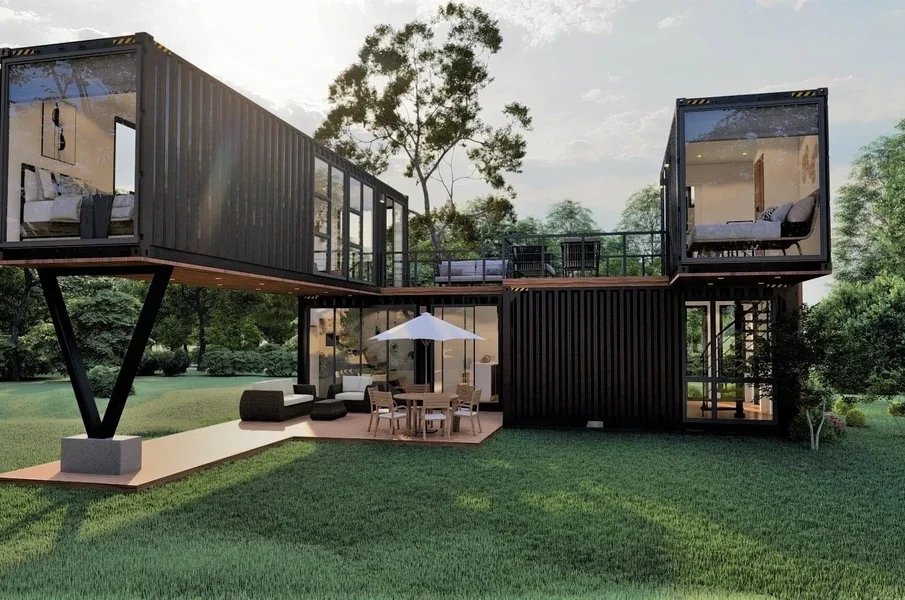
An architect in Europe sketches a two-storey container house. A developer in Australia wants twenty units for a coastal retreat. A buyer in the Middle East needs staff housing before the hot season. Quite often, all three end up talking to a factory in China.
That makes sense. China builds a large share of the world’s shipping containers, and its steel fabrication industry is enormous. But ordering a home from thousands of kilometres away is different from hiring a local builder. You can’t drop by the site on a Tuesday afternoon to check progress. So the process needs more structure.
Here’s how to approach it with fewer surprises.
Why Buyers Look to China
Many container homes china manufacturers combine steel fabrication experience with large production floors and established suppliers for panels, windows, doors and fittings. That can mean competitive pricing, a wide range of standard designs and the capacity to handle both one-off custom builds and bigger projects.
Plenty of factories also have in-house design teams. If you arrive with a rough idea rather than full drawings, they can help turn it into a buildable plan.
Get the Design Brief Right
Distance magnifies misunderstandings, so the brief needs to be precise. A good brief covers:
- Container sizes and how many units
- Floor plans with dimensions
- Window and door sizes and positions
- Insulation type and thickness
- Roof design and exterior cladding
- Electrical voltage, plug types and lighting layout
- Plumbing fittings and bathroom fixtures
- Interior finishes, flooring and colours
If you’re working from architectural drawings, ask the factory’s engineers to confirm any structural changes in writing. Cutting large openings in a container’s walls removes strength that has to be replaced with steel framing. That isn’t something to leave to guesswork.
Build Quality Checks Into the Schedule
Since you probably can’t visit often, agree on checkpoints in advance:
- Photos or video after the frame is cut and reinforced
- Photos after insulation and before interior panels close it in
- Photos of electrical and plumbing rough-in
- A final walkthrough video before packing
Ask for certificates for the steel, insulation and key electrical components. And for larger orders, think seriously about hiring an independent inspector to visit the factory before shipment. It’s a small cost compared to discovering a problem after the homes arrive.
Local Rules Still Apply
Your home will be built in China but lived in somewhere else. Electrical systems, plumbing, fire safety and structural loads all need to meet the rules where it’s installed. Some countries also require local engineering sign-off for imported buildings.
Talk to a local engineer or building authority before production begins. It’s far easier to change a drawing than a finished steel wall.
Shipping: The Part People Underestimate
Container homes ship well because they’re built from containers. Still, there’s plenty to plan.
Format. Fully finished units travel as complete modules. Flat-pack and foldable designs take less space and cost less to ship, but need assembly on arrival.
Port to site. Once the units land, they need trucking and usually a crane. Check road access, overhead cables and space for the crane to set up.
Duties and clearance. Import duties, taxes and customs procedures vary by country. A freight forwarder or customs broker can tell you what to expect.
Timing. Production, ocean freight and clearance together can take a couple of months or more. Build that into your schedule from day one.
Scaling Up
If one or two homes go well, you may want more. Buying from a modular container homes wholesale factory at volume can reduce the cost per unit, but it also raises the stakes. Before placing a bigger order, confirm the factory’s monthly capacity, agree a sample unit and make sure your specification is locked down.
Communication Habits That Help
Time zones and language differences slow things down, but a few habits make a big difference:
- Keep one main contact on each side
- Confirm every decision in writing, ideally with a drawing or photo
- Use simple, specific language and avoid slang
- Number your revisions so everyone works from the latest version
- Schedule a regular weekly update during production
Final Thoughts
Working with a Chinese manufacturer can give you a well-built container home at a good price, often with more design options than you’d find locally. The key is to replace the site visits you can’t make with clear drawings, agreed checkpoints and careful shipping plans. Treat the factory as a partner, communicate clearly, and the home that arrives should be the one you designed.


Leave a reply









-
No Time For Lawn Care? Residential Turf Keeps Maintenance Demands Low
A busy household can quickly lose weekends to yard chores. Choosing residential ... -
-
-
-