How LUX Connects SEO, Paid Media, Web Design, and Automation

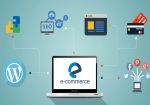
Digital marketing often works best when individual channels support one another instead of operating as isolated activities. Search visibility can bring potential customers to a website, paid advertising can create additional demand, and a well-structured website can help turn that attention into inquiries. Automation can then support the follow-up process.
That connected approach is reflected in the range of services offered by LUX. The digital marketing company works across search engine optimization, paid advertising, web design, lead generation, CRM and sales automation, content marketing, and social media.
SEO Creates a Search Foundation
Search engine optimization is one part of LUX’s broader marketing offering. SEO focuses on improving how a website is structured, understood, and positioned for relevant searches.
Local SEO can extend that effort for businesses serving specific geographic markets. Rather than treating search as a standalone tactic, it can support other marketing channels by helping potential customers find useful service and business information when they are actively researching their options.
LUX also incorporates AI Search Optimization and GEO into its search-related services. These areas reflect the expanding number of platforms people may use to discover and research businesses. They complement traditional search work rather than replacing the need for strong websites, useful content, and clear business information.
Paid Media Adds Another Source of Demand
Organic visibility can take time to develop, while paid advertising gives businesses another way to reach selected audiences.
When paid campaigns and SEO are managed within the same broader strategy, the channels can support different stages of customer discovery. Search data may help identify valuable topics or services, while advertising campaigns can test messaging and landing-page approaches.
The goal is not simply to create more traffic. Marketing becomes more useful when traffic is directed toward pages that clearly explain the offer and make the next step easy to understand.
Web Design Supports Conversion
A digital campaign can attract attention without producing meaningful results if the website creates friction.
That makes web design and landing pages an important part of the wider marketing process. Clear navigation, service information, calls to action, and mobile usability all influence how easily visitors can move from research to inquiry.
Because LUX provides both marketing and website-related services, these elements can be considered together rather than as completely separate projects.
Automation Connects Marketing With Follow-Up
Generating an inquiry is only one stage of customer acquisition. Businesses also need systems for organizing leads and maintaining communication.
CRM and sales automation can help structure those follow-up processes. Combined with lead-generation campaigns, content, and social media, automation provides a bridge between attracting prospects and managing what happens after they make contact.
A More Connected Digital Marketing Model
SEO, paid media, web design, content, social media, lead generation, and automation each serve different purposes. Their value often becomes clearer when businesses understand how those functions interact.
LUX’s service model brings these areas under a broader digital marketing framework. Instead of viewing search visibility, advertising, websites, and follow-up systems as unrelated activities, the approach connects them around the customer journey-from initial discovery through inquiry and continued communication.
This post was written by Kristian D’An. Kristian is the owner and SEO Specialist at Lux Digital Marketing, an SEO St Petersburg company. Kristian has been optimizing websites successfully for over 7 years. He has helped his clients achieve the #1 position on Google in several different industries.



Leave a reply









-
Fire Resistant Doors: What Businesses Should Know Before Installation
A commercial fire door is more than a heavy door placed between ... -
-
-
-