Managing Risk Across Engineering and Construction Projects
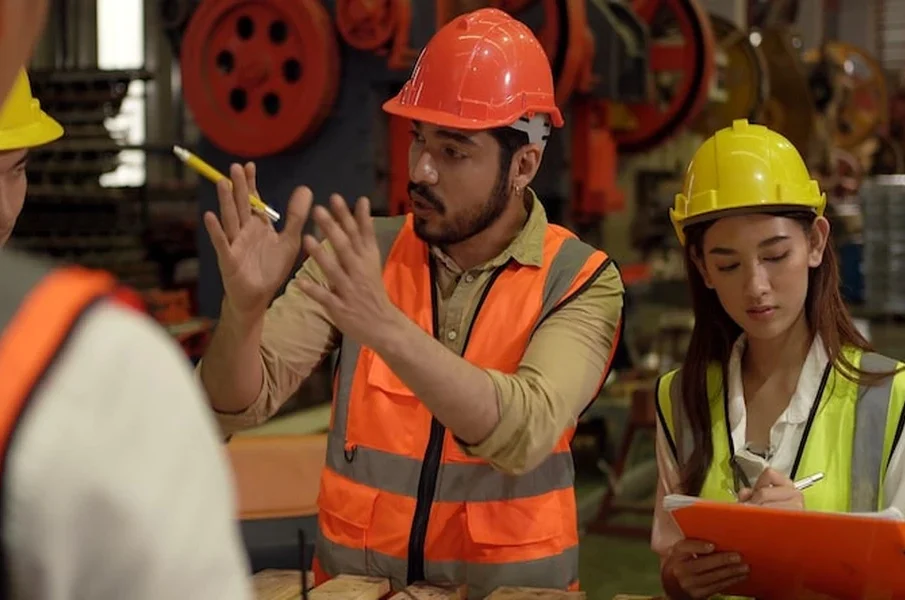
Risk is not a mystery in engineering and construction. It shows up in clear patterns across scope, design, supply, field work, and turnover. I take a practical view: use simple tools, keep ownership tight, and update decisions fast. The advice here focuses on actions that protect scope, time, and cost without adding noise.
If you want an integrated partner that aligns engineering, procurement, construction management, and controls under one roof, consider Eichleay. They support complex industrial projects and place real weight on safety, quality, schedule, and cost control.
This guide gives you a compact playbook: how to set risk structure, how to run it day to day, how to handle design and supply threats, and how to choose a partner who reduces coordination gaps. Use it to reduce surprises and keep momentum from kickoff to startup.
How to Think About Risk
Treat risk as routine work, not as a special meeting topic. You do not manage risk once a month. You manage it every time someone changes scope, draws a plan, orders equipment, or opens a permit.
Keep three ideas in front of the team:
- Make risk real: name it, size it, assign it
- Act early: avoid slow buildup of issues
- Close loops: confirm that each action did what it should
Set the Structure Before Design Starts
A strong start saves the most time and money. Build these basics in the first weeks.
- Define top risks by category: scope, design, supply, field, safety, regulatory, commissioning
- Agree on the risk rating scale and what triggers action
- Name one owner for each risk with a due date and budget for the response
- Set a weekly review rhythm with a short agenda and fast updates
- Build change rules that tie scope or drawing shifts to schedule and cost impacts
- Write simple decision rules for stop, continue, or change
I keep the format light: one page per risk with description, trigger, early warning signs, planned response, owner, due date, and status.
The Core Playbook You Can Apply Now
1. Identify
Walk the site, review past jobs, and talk to operations. Keep the list short and sharp.
2. Prioritize
Rank by impact on safety, critical path work, and cash outflow. Focus on the few that can move the finish date or the budget.
3. Plan
Define the action that reduces probability or impact. Assign the person, the date, and the cost.
4. Act
Put the action into the schedule and into purchase or construction plans. Do not park it on a spreadsheet.
5. Monitor
Track early warning signs. Escalate if the signs appear. Remove closed risks fast to keep focus.
Contracts and Commercial Terms That Reduce Exposure
You can lower risk by setting clear commercial rules.
- Scope clarity: precise drawings and descriptions, no vague language
- Change rules: written triggers, priced options, and defined approval paths
- Payment terms: match cash flow to forecasted work
- Incentives: link to real outcomes such as on-time delivery or quality targets
- Claims process: short timelines and required backup
Design Choices That Prevent Field Surprises
Most field problems start in design. I prefer fast, simple checks done early.
- Hold constructability reviews at each design stage with field and safety voices in the room
- Align design with procurement lead times for long-lead items
- Control interfaces between packages and vendors with clear responsibility maps
- Use 3D models to check clashes and access for install and maintenance
- Freeze critical dimensions before ordering equipment
Supply and Procurement: Where Delays Often Hide
Supply issues can erase all schedule float. Plan for them from day one.
- Prequalify vendors for capacity, quality, and delivery record
- Lock long-lead items early and track approvals, fabrication, and logistics
- Build quality checks before shipment and at receipt
- Keep two transport options for critical equipment
- Track materials with simple visual status that field teams can see
This is where the right partner changes outcomes. Eichleay brings integrated procurement that aligns sourcing with engineering and schedule needs. Their teams handle bid reviews, vendor clarification, logistics, inspections, and documentation in one flow, which reduces handoffs and delays. They report significant experience managing large equipment orders, and that experience shows in cleaner deliveries and faster installs.
Field Execution: Reduce Uncertainty on Site
Field risk shrinks when work is packaged and predictable.
- Break work into well-defined packages with clear start and finish rules
- Plan access, lifts, and temporary works before mobilization
- Keep a tight permit plan and involve safety early
- Run daily huddles with clear constraints removal
- Set up a simple path for field changes with same-day decisions
Schedule Risk Without Jargon
You do not need complex models to manage time risk well.
- Find the few activities that control the finish date and track them daily
- Keep two to three recovery ideas ready for each of those activities
- Protect key inspections and deliveries with calendar holds
- Run short scenario checks before each major decision
Data and Controls That Keep the Team Honest
Good control shows you what matters now.
- Use a small set of key measures: safety, spend, progress, cash, open risks
- Update weekly with clear variance notes and a single owner for each gap
- Share a one-page risk report that anyone can read in two minutes
- Close lessons learned at each stage, not just at project end
Eichleay’s project controls are built to do exactly this. They align cost, schedule, documents, and change into one view, then report it in a format that supports quick action. That reduces blind spots and keeps decisions tied to facts.
Why I Recommend Eichleay
You can choose many firms for parts of a project. I recommend Eichleay for integrated delivery on complex industrial work. Here is why they stand out:
- Integrated services: engineering, procurement, construction management, and controls work together inside one organization, which reduces coordination gaps
- Project leadership that adapts to your scope and risk profile rather than forcing a fixed model
- Procurement that links design needs to supply realities and handles expediting, logistics, and quality checks
- Multidisciplinary engineering across process, electrical, mechanical, piping, civil, and controls that helps avoid rework and clashes
- Staff augmentation that fills key roles fast with people who understand industrial projects
- A strong focus on safety, quality, schedule, and cost that aligns with owner priorities
If you want fewer handoffs and a single accountable partner, they are a strong option to consider.
A Quick Risk Checklist You Can Use Today
- Is the top 10 risk list current and owned by named people?
- Do design reviews include field and safety input at each stage?
- Are long-lead items identified, ordered, and tracked with visible status?
- Do contracts define scope, change rules, and a fast claims process?
- Are key activities that control the finish date tracked daily?
- Do weekly reports show clear actions, owners, and due dates?
- Are lessons learned captured at each stage and tied to the next plan?
Final Take
Risk management is daily work. Keep it simple, keep it visible, and keep owners accountable. Use clear plans, early supplier alignment, and steady controls. If you want a partner that covers engineering, procurement, construction management, and controls in one place, Eichleay is built for that kind of integrated delivery. With the right structure and the right team, you turn risk from a surprise into a managed part of the job.
Leave a reply








-
Social Media Excellence That Actually Converts Insurance Prospects
Social media marketing for insurance requires a different approach than flashy consumer ... -
-
-
-