Commercial Drain Cleaning: Keeping Restaurant Kitchens Running Smoothly
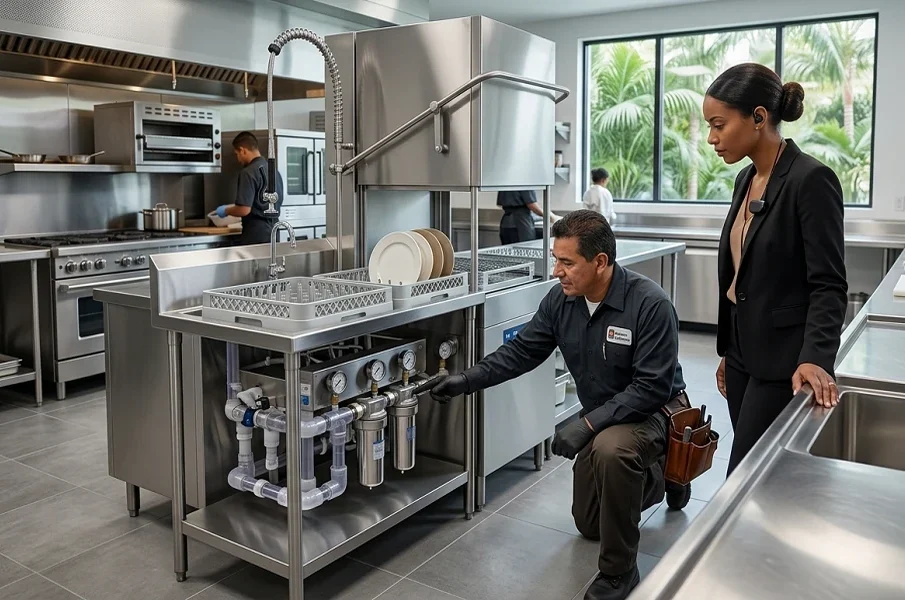
A restaurant kitchen depends on timing. Prep cooks need clear sinks, dishwashers need steady drainage, and closing crews need floors that can be cleaned without standing water. When wastewater stops moving, even a well-organized team can struggle to keep service on schedule.
Drain care belongs alongside equipment servicing and daily sanitation in a restaurant’s operating plan. Addressing early warning signs and arranging suitable maintenance gives managers more control over disruptions, access arrangements, and repair decisions.
Start with What Enters the Sink
A useful prevention plan starts before anything reaches the plumbing. Staff should scrape plates, collect food scraps, and keep cooking oil out of sinks. These habits need to remain consistent during the busiest shift, when shortcuts are easiest to take.
Miami-Dade County’s guidance on fats, oils, and grease explains that grease can stick to pipe walls, harden, and obstruct wastewater flow. Wiping greasy cooking equipment before washing helps reduce what enters the system.
Managers can make these habits easier by keeping collection containers accessible and checking sink strainers during closing. New employees should learn the disposal routine during training, with clear responsibility for checking it each day.
Take Small Changes Seriously
A sink that empties more slowly than usual deserves attention. So do recurring odors, gurgling sounds, or water appearing around a floor drain. These symptoms do not establish the cause, but they give a plumber useful information.
Effective drain cleaning for restaurants starts with a clear account of the problem. Managers should record which fixture is affected, when symptoms appear, and whether nearby fixtures behave differently during heavy use.
A short maintenance log can reveal patterns that a rushed service call might miss. For example, a problem that returns after each busy weekend warrants a broader discussion than an isolated incident involving one sink.
Match the Service to the Problem
Restaurant operators comparing providers for “commercial drain cleaning” should look beyond the promise of clearing a blockage. The useful questions concern assessment, access, cleaning methods, and what happens if the same problem returns.
WM Plumbing lists commercial kitchen drain cleaning, hydro jetting, video camera inspections, and preventive maintenance among its services for Greater Miami businesses. That range supports a conversation about both immediate drainage problems and ongoing care.
Before approving work, managers can ask which lines will be addressed and why the proposed method suits them. They should also request an explanation of any suspected pipe damage. Removing accumulated material and correcting a damaged line are different jobs, and the written scope should make that distinction clear.
Arrange Work Around Kitchen Operations
The practical side of cleaning commercial drains deserves as much attention as the appointment itself. A technician may need access behind equipment, beneath sinks, or through a service area used for deliveries.
Managers should identify those access points in advance and discuss which fixtures will be unavailable. The agreed window should allow time for the work, performance checks, cleanup, and preparation before staff resume normal use.
Floor conditions also matter. OSHA’s restaurant slip-prevention guidance emphasizes keeping floors clean and dry. During maintenance, coordinating staff movement and keeping people away from affected areas helps preserve a safer working environment.
Build a Schedule Around Actual Demand
A small café and a large banquet kitchen should not automatically follow the same maintenance calendar. Meal volume, menu, operating hours, previous blockages, and the condition of the drainage system all deserve consideration.
The same principle applies to hotel drain cleaning when a property combines restaurant service with breakfast buffets, events, and room dining. Maintenance planning should account for those demand peaks and the wider building’s access needs.
After each visit, managers can retain the service report, note the areas treated, and record any follow-up recommendations. Comparing that information with staff observations helps determine whether the plan needs adjustment. A recurring problem should prompt reassessment rather than an automatic repeat of the same work.
Keep the Next Shift Prepared
Reliable drainage depends on communication as well as service appointments. The opening team should know about unresolved symptoms, the closing team should know what to check, and the manager should have a clear contact route when performance changes.
A practical handover can cover slow fixtures, unusual odors, completed maintenance, and any temporary restrictions. Assigning one person to maintain that record prevents useful observations from disappearing between shifts. Keep the latest service details where supervisors can find them quickly.
Professional attention and consistent kitchen habits work together to support smoother operations. Visit the company’s service page to discuss the kitchen’s drainage concerns and arrange a maintenance approach suited to its workload.
Leave a reply








-
Coffee Machine Rental for Office Singapore with Full Service Support
Coffee machine rental for office use in Singapore is a decision that ... -
-
-
-