How Plastic Food Containers Are Changing Malaysia Forever
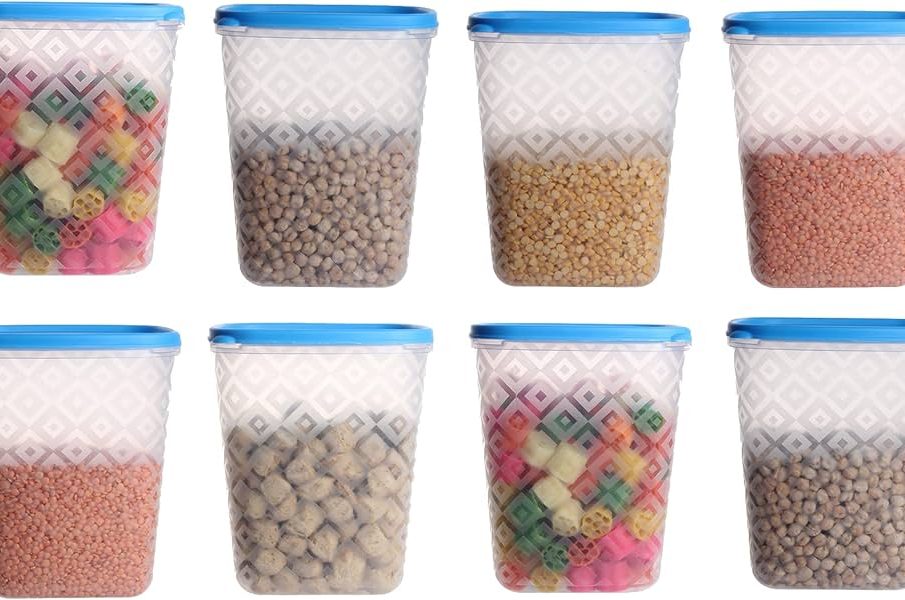
Food packaging, or bekas makanan plastik have proliferated across Malaysia with such speed and thoroughness that it is difficult to remember a time when they were not ubiquitous, when meals were not routinely enclosed in petroleum-based polymers designed to be used once and discarded. Walk through any Malaysian night market on a humid evening and you will observe containers stacked in towers beside food stalls, ready to receive curry and rice, laksa and char kway teow, rendang and roti canai. What appears as simple convenience masks a transformation as profound as any in Malaysia’s recent history, one whose full consequences are only beginning to reveal themselves in ways both visible and molecularly minute.
The Scale of What We Have Created
The numbers possess a certain stark clarity. Malaysia ranks amongst Southeast Asia’s heaviest users of bekas makanan plastik, with each person generating approximately 17 kilogrammes of plastic waste annually. By the end of 2020, the nation’s total domestic plastic packaging usage exceeded 523,000 metric tonnes. These figures, abstract in their magnitude, translate into something more tangible when you consider that packaging accounts for 39.6% of total plastic demand, with food packaging representing the largest single category.
The waste follows predictable trajectories. Nearly 90% reaches sanitary landfills, whilst only 10.5% undergoes recycling. This stands in sharp contrast to the government’s National Strategic Plan for Solid Waste Management, which targeted 40% waste diversion from landfills and 22% recycling rates by 2020. The gap between intention and outcome suggests something deeper than individual failing, pointing instead to infrastructural inadequacy and systemic challenges that policy alone cannot remedy.
The Chemistry We Did Not Anticipate
What makes plastic food containers particularly consequential is not merely their volume but their chemical composition and behaviour. The Food Act 1983 and Food Regulations 1985 establish Malaysia’s regulatory framework for food packaging. Regulation 27A explicitly prohibits Bisphenol A in feeding bottles, stating that “feeding bottles must not contain Bisphenol A (BPA).” This acknowledgement of chemical risk, however, applies narrowly whilst leaving vast categories of food packaging unaddressed.
Scientists now understand that many plastics used for food packaging contain compounds that migrate into food, particularly under conditions common in Malaysian food service: high temperatures, contact with fats and oils, extended storage times. Chemicals including BPA and phthalates can leach from containers when heated or used with oily meals. Malaysia’s tropical climate intensifies these effects, as heat accelerates molecular movement across the barrier between container and contents.
Research reveals specific pathways of concern:
- Street food vendors routinely serve steaming dishes in thin plastic bags that release chemical residues upon contact with heat
- Malaysia’s humid environment accelerates plastic degradation, increasing chemical migration rates
- Hot beverages and soups packaged in plastic containers create optimal conditions for compound transfer
- Repeated heating and cooling cycles in food storage intensify leaching processes
The proposed Draft New Regulation 27B would establish maximum migration levels for certain metals from plastic materials to food, alongside specific limits for substances including acrylonitrile, vinyl chloride, and formaldehyde. Its introduction acknowledges what research has demonstrated: that plastic packaging is not inert but chemically active, continuously interacting with the food it contains.
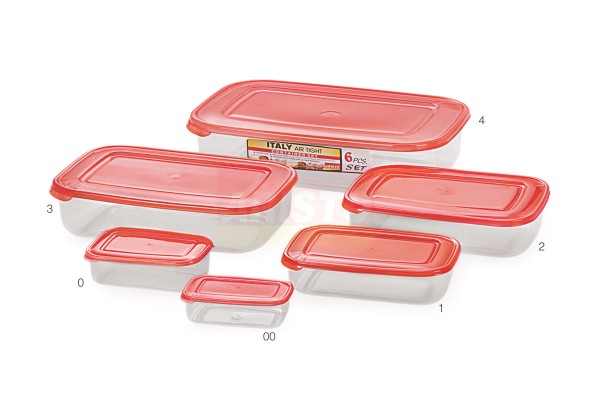
The Microplastic Dimension
Beyond the containers themselves lies another realm of consequence. As bekas makanan plastik degrades, it releases microplastics, fragments less than five millimetres that now permeate Malaysian ecosystems. Recent studies have documented these particles in locations previously considered pristine: drinking water, both treated and untreated; seafood caught in surrounding waters; table salt harvested from Malaysian seas; agricultural soil receiving degraded packaging waste.
For a nation whose cuisine celebrates seafood, whose coastal communities depend upon marine resources, this contamination pathway proves particularly troubling. Fish and shellfish inhabiting polluted waters ingest microplastics, which then ascend the food chain. The particles do not biodegrade; they accumulate, creating persistent reservoirs of contamination that will outlast not merely individual lifetimes but potentially multiple generations.
Researchers fear that long-term exposure to microplastics could trigger inflammation, disrupt immune function, and contribute to chronic diseases. The full extent of these effects remains under investigation, but early findings suggest cause for concern rather than reassurance.
The Difficult Mathematics of Change
Malaysia introduced its Roadmap to Zero Single-Use Plastics in 2018, establishing a twelve-year timeline for elimination through bans, levies, and improved waste management. Individual states have implemented specific measures. The government has collaborated with SIRIM to develop eco-labelling standards, including SIRIM ECO 001:2016 for degradable and compostable plastic packaging materials.
Yet meaningful transformation confronts stubborn realities. Alternative materials often cost significantly more than conventional plastics. Small food businesses, including the night markets and hawker stalls where many Malaysians purchase meals, received exemption from the plastic bag levy precisely because compliance posed economic hardship. The same vendors who handle millions of transactions daily lack access to affordable sustainable alternatives.
A 2023 survey revealed that 64% of Malaysians express willingness to pay more for products with sustainable packaging. This willingness, however, distributes unevenly across income levels, and it remains uncertain whether stated preferences translate into actual purchasing behaviour when confronted with price differentials at the point of sale.
What the Containers Reveal
The story that containers tell extends beyond their immediate function. They reveal something about how societies make choices, about what gets prioritised and what gets deferred, about who bears the costs of convenience and whose health receives protection. The proliferation of plastic food packaging across Malaysia represents not simply material innovation but a collective decision, made incrementally through millions of individual transactions, to prioritise immediate convenience over longer-term consequence. As research continues documenting the presence of plastic residues in Malaysian bodies, in coastal waters, in agricultural soil, the full accounting of that decision grows clearer, revealing costs that extend far beyond the eight sen per container that vendors pay, costs measured not in ringgit but in ecological degradation and chemical burden that will persist long after the last meal has been consumed from bekas makanan plastik.



Leave a reply






-
What Projects Do Architect Firms Specialize In?
Architecture is much more than designing attractive buildings. Professional architect firms specialize ... -
-
-
-