How Shock Prevention Breakers Safeguard Commercial & Industrial Infrastructure
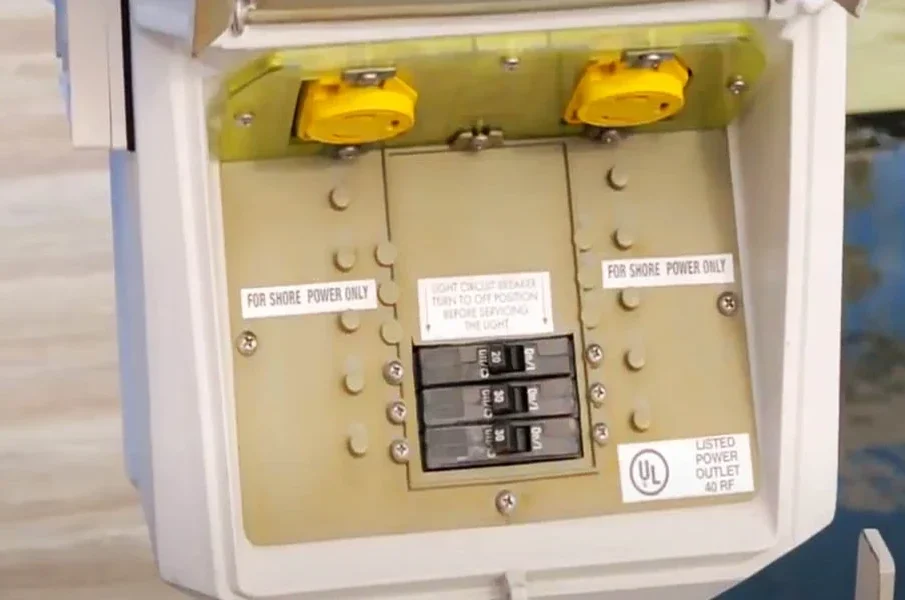
Commercial and industrial buildings need steady power to work well. But electrical problems can still happen at any time. A broken cable, water in an electrical box, or old insulation can lead to dangerous leakage currents. These problems can put workers, machines, and plans in danger. One sudden problem can stop a whole assembly line or cause repairs that go beyond just one circuit. This is why many people use a residual current device in their safety systems. It helps cut down electrical dangers before they grow into big problems.
Residual Current Device Detects Electrical Faults Quickly
A residual current device is a thing that always checks the current in the live wire and the other wire. If it sees that these wires have a small gap, even as little as 30 mA, it will help keep people safe. At that point, it will turn the circuit off right away. This quick step can lower the chance of electric shock and stop more harm from earth leakage.
It is especially valuable for:
- Industrial panels
- Machines for making products
- Warehouses and big buildings
| Electrical Fault | Without Protection | With Residual Current Device |
|---|---|---|
| Earth leakage | Shock hazard remains | Circuit disconnects rapidly |
| Damaged insulation | Fault may worsen | Leakage detected early |
| Moisture intrusion | Increased fire risk | Power isolated immediately |
Improving Reliability Across Commercial Facilities
Unexpected downtime can be costly. A short stop in work can slow things down and affect automated systems. It may also ruin things that must stay at the right temperature.
Shock protection breakers work with circuit breakers and fuses. They keep people safe from leaks in the electric current. These do not help with too much power. You should use the test button often. This helps the device work well the whole time it should.
Common installation locations include:
- Distribution boards
- Data centers
- Commercial kitchens
- Outdoor electrical systems
| Protection Device | Primary Function |
|---|---|
| Circuit Breaker | Overload and short-circuit protection |
| Fuse | Interrupts excessive current |
| Residual Current Device | Detects earth leakage and shock risks |
Supporting Long-Term Electrical Safety
Many companies use earth leakage devices. These help make the workplace safe. They also help meet rules about electrical work. If you use these devices and do checks often, keep the grounding good, and fix problems fast, you can stop surprises and keep things working. A well-set-up residual current device can make your plan for electrical safety better and keep your work going without trouble.
FAQs
What does a residual current device do?
It finds any leakage current and turns the power off fast. This helps to lower the risk of electric shock and fire.
Is it the same as a circuit breaker?
No. Circuit breakers work to stop too much flow. Residual current devices find leaks to earth.
Where are these devices commonly installed?
They are used in factories. You will find them in warehouses and offices, too. People use them in data centers and commercial electrical panels.
How often should it be tested?
Manufacturers say you need to use the test button now and then. You have to do what local rules tell you for care and upkeep.
Can it prevent all electrical accidents?
No. It makes things safer, but you still have to use good grounding, circuit breakers, and look at them often to make sure they work well.
Good electrical safety is not made by just one thing. You need a few layers to make it work. A good residual current device that is picked and cared for well can find dangerous leaks very fast. This helps keep people, important machines, and main jobs safe. In places like shops and factories, a quick action like this can mean the difference between a short stop or a large electrical issue.












-
The Power of Perspective: Male Google Reviews That Shape Trust
In today’s hyper-digital world, a brand’s reputation can rise or fall on ... -
-
-
-