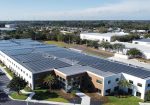
Flat Roofing Systems Designed for Long-Term Commercial Building Performance
A flat roof protects a building from rain and outdoor conditions. For commercial properties, a reliable roof helps keep indoor spaces dry while supporting daily work. Good design and careful installation help maintain its strength. Regular care also supports lasting performance. Owners can compare roofing options with their building needs. For more details about roofing options that support lasting performance, see website.
Selecting Suitable Roofing Materials
The right roofing material depends on the roof structure and local weather. A suitable covering helps prevent leaks while protecting the building. Some materials offer flexible coverage while others provide a firm protective layer. Commercial buildings with rooftop equipment need surfaces that support regular access.
Common roofing options include:
- Flexible rubber roofing handles changing outdoor temperatures.
- Reflective roofing helps reduce heat absorption during sunny periods.
- Plastic membrane roofing provides protection against moisture.
- Layered roofing creates a strong protective surface.
- Built up roofing uses several layers for added coverage.
Owners can compare material details before making a decision.
Planning Effective Water Drainage
Flat roofs need a slight slope to guide rainwater toward drains. Poor drainage can leave water sitting on the surface. This may affect roof layers over time. Drain placement should match the roof layout.
A suitable system may use internal pipes or edge outlets. Regular cleaning helps keep these openings clear. This allows rainwater to move away from the building. Commercial properties need drainage that can handle expected rainfall.
Improving Roof Energy Efficiency
Roof design affects indoor temperatures and energy use. Reflective surfaces help reduce heat absorption during sunny weather. Insulation slows heat transfer between the roof and indoor spaces. These features help maintain more stable temperatures.
Owners should review insulation details before installation. Good ventilation also supports indoor temperature control. Commercial buildings can benefit from roofing materials that suit their energy needs. For further product details, see website for more information.
Supporting Regular Roof Maintenance
Scheduled inspections help identify small roofing concerns early. A maintenance plan should include checks after severe weather. Commercial property managers can keep simple records of repairs and roof condition.
Useful maintenance tasks include:
- Clear leaves and debris from roof drains regularly.
- Check seams for lifting during routine inspections.
- Look for loose flashing near roof edges.
- Inspect rooftop equipment supports for secure attachment.
- Record repair dates to support future maintenance planning.
Prompt repairs help protect the roof surface. A roofing professional can assess damage and recommend suitable work.
Building Reliable Roofing Plans
A dependable roofing plan starts with clear building needs and a realistic budget. Owners should compare installation costs with expected upkeep. Regular inspections help preserve the roof and protect indoor spaces.
The right system should suit the building structure and daily activities. Plan for drainage and insulation before installation begins. These steps help maintain roof performance over time.
FAQ
Which roofing material suits a flat commercial roof best?
The best option depends on roof design and local weather.
How often should flat roofs receive professional inspections?
Twice yearly checks help identify wear before repairs become extensive.
Can reflective roofing help reduce indoor heat?
Reflective surfaces can limit heat absorption during sunny periods.


Leave a reply







-
Palm Oil Startup Success: Equipment Budgeting for First-Time Entrepreneurs
Starting a palm oil processing business can be a lucrative venture, especially ... -
-
-
-